

NZDF Pilot Test and RNZAF Aviation Pathway
The Mission
Becoming a Pilot in the New Zealand Defence Force (NZDF) isn’t just about flying; it’s about
commanding multi-million dollar assets in some of the most challenging environments on earth.
From Antarctic supply runs and Pacific disaster relief to high-intensity tactical operations, NZDF
Pilots are world-renowned for their autonomy and “Kiwi ingenuity.”
The Selection Pipeline (2026 Standards)
The NZDF uses a “Three Strikes” rule for aptitude testing. If you fail to meet the standard three times, you are permanently disqualified from that trade. Our platform ensures you never use those strikes.
Step 1: The Verify G+ (Aptitude Test)
Unlike the ADF, the NZDF uses SHL Verify G+. This is a 36-minute, adaptive digital test usually done via remote proctoring (webcam enabled).
• Deductive Reasoning: Logic-based puzzles and “If-Then” rule sets.
• Inductive Reasoning: High-speed abstract pattern recognition.
• Numerical Reasoning: Complex data interpretation from graphs and tables.
Step 2: The G-BIT (Pilot-Specific Battery)
If you pass the G+, you move to the General Battery of Information Technology (G-BIT). This is where most “unprepared” candidates are screened out.
• Instrument Comprehension: Rapidly interpreting the Artificial Horizon, Altimeter, and Heading Indicator. Practise these skills with our NZDF Pilot Test Preparation Course.
• Flight Mathematics: Performing mental calculations for Speed, Distance, Time, and Fuel Burn without a calculator.
• Spatial Awareness: 3D object rotation and coordinate estimation.
Step 3: Aircrew & Officer Selection Board (AOSB)
A multi-day assessment at RNZAF Base Woodbourne or Ohakea. You will be tested on leadership, group problem-solving, and your knowledge of NZDF strategic interests (like the AUKUS climate or Pacific Step-up).
Eligibility: Do You Qualify?
• Citizenship: You must be a New Zealand Citizen (or hold a specific residency status that allows for Top Secret security clearance).
• Age: Must be 18 by the time you graduate from the recruit course.
• Education: Minimum NCEA Level 2 (with specific credits in English and Maths).
• Medical/Eyesight: High standards of physical health and eyesight (correctable to 6/6 in some cases, but must meet specific “unaided” minimums).
The Training Pathway
Your journey to the cockpit is broken into four distinct phases:
1 Officer Training: 15 weeks at RNZAF Base Woodbourne focusing on leadership and military law.
2 Aviation Ground School: Intense theory at Base Ohakea covering Aeronautical Science and Meteorology.
3 Wings Course: 12–15 months of flight training on the T-6C Texan II. 4 Specialist Conversion: Streaming into your final aircraft:
◦ Fast Jet/Training: T-6C Texan II (No. 14 Squadron).
◦ Multi-Engine: C-130J-30 Hercules or P-8A Poseidon (No. 40 or 5 Squadron).
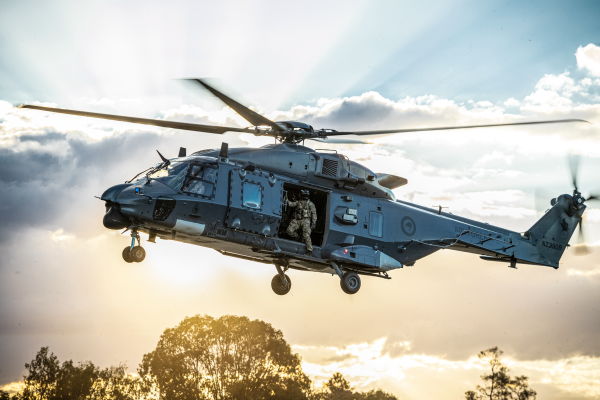
◦ Rotary Wing (Helo): NH90 or A109 (No. 3 Squadron) or SH-2G(I) Seasprite (Navy).
Benefits of the RNZAF Career
• Competitive Salary: Starting salary during training is approximately $55,000–$65,000, rising significantly upon gaining your “Wings”.
• Tax-Free Allowances: Additional pay for deployments and specialized aircrew duties.
• World-Class Experience: NZDF pilots are often given more autonomy and “mountain flying” experience than their Australian counterparts.
• Civilian Recognition: Your military pilot qualifications are highly sought after by airlines like Air New Zealand.
Frequently Asked Questions
Candidates typically complete the Verify G+ assessment, the G-BIT pilot battery, medical screening, fitness assessments, and the Aircrew and Officer Selection Board.
The assessment process is highly competitive and evaluates numerical reasoning, spatial awareness, instrument comprehension, and problem-solving under pressure.
Pilot applicants must meet strict vision standards. Acceptable limits for corrected and uncorrected eyesight vary depending on the role and current Defence requirements.
Training timelines vary, but candidates can expect to complete officer training, ground school, flight training, and aircraft conversion over several years.
Yes. Previous flying experience is not required, although strong academic performance, aptitude test results, and preparation can improve your competitiveness.

NZDF Application Process
Your journey begins online at the Defence Careers portal. Online Application: You’ll submit your CV, academic transcripts, and work history. Prequalifying Questions: A quick check to ensure you meet the baseline requirements (age, citizenship, education).

NZDF Enlisted Pathway
Joining the New Zealand Defence Force (NZDF) as an Enlisted member is about more than just a job—it’s about becoming a specialist. Whether you’re interested in combat roles, high-tech engineering, or logistics, the Enlisted pathway offers hands-on training from day one.
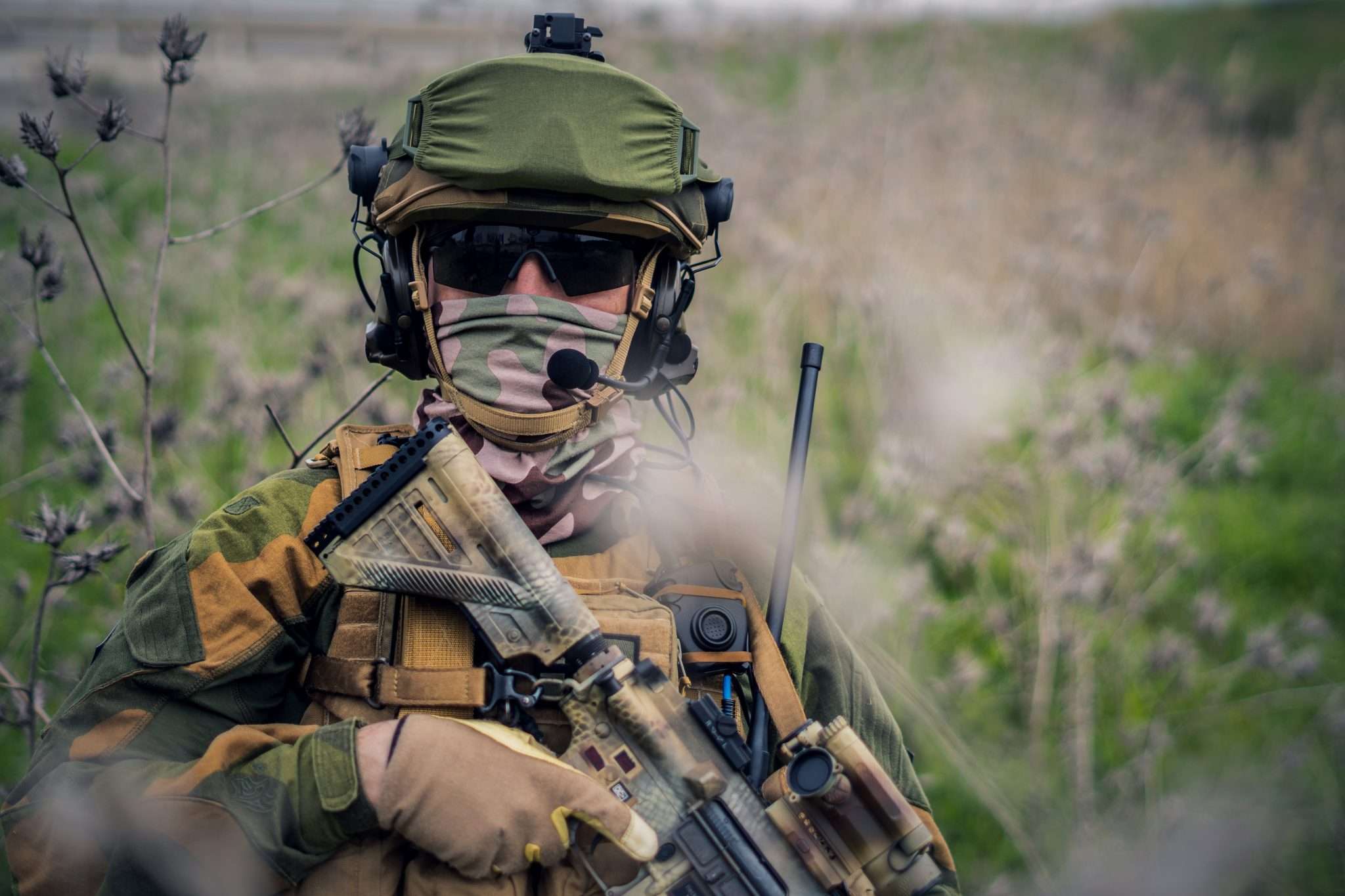
NZDF Officer Pathway
Becoming an Officer in the New Zealand Defence Force (NZDF) is not just a career choice—it’s a commitment to leadership. Officers are the managers, planners, and decision-makers of the